







Our clients say 9.5/10
Based on 64,534+ reviews in Canada for 2026 
9.5/10
Based on 64,534+ reviews
Based on 64,534+ reviews
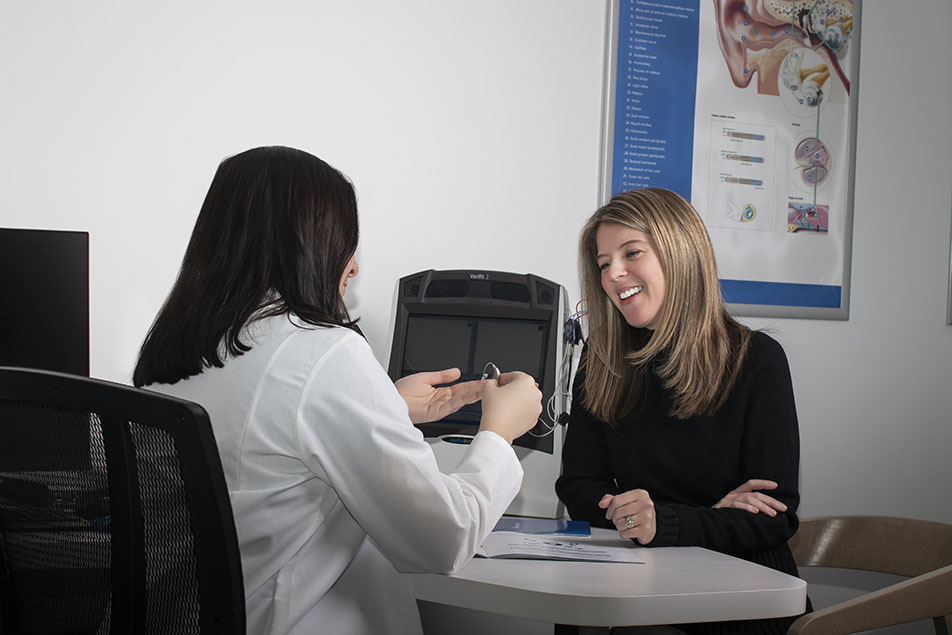
Did you know? A hearing test is just as important as any other health check up. If you suspect that you have hearing loss, book a free hearing test with one of our hearing care professionals.


A hearing test is an easy, painless way to check how well you hear different sounds. It helps an audiologist or hearing care professional understand if you have hearing loss and how it may be affecting your life.
Hearing tests, done by a licensed hearing professional, are important.
If you have hearing loss, a hearing test can provide a diagnosis, opening your access to hearing loss treatment options like hearing aids.
If you don’t have a hearing loss, the hearing test provides a baseline for your hearing health, helping track changes to your hearing over time.
To know the status of your hearing, book a free hearing test.


Some hearing tests check how well your ears respond to sound, while others measure how your brain processes what you hear.
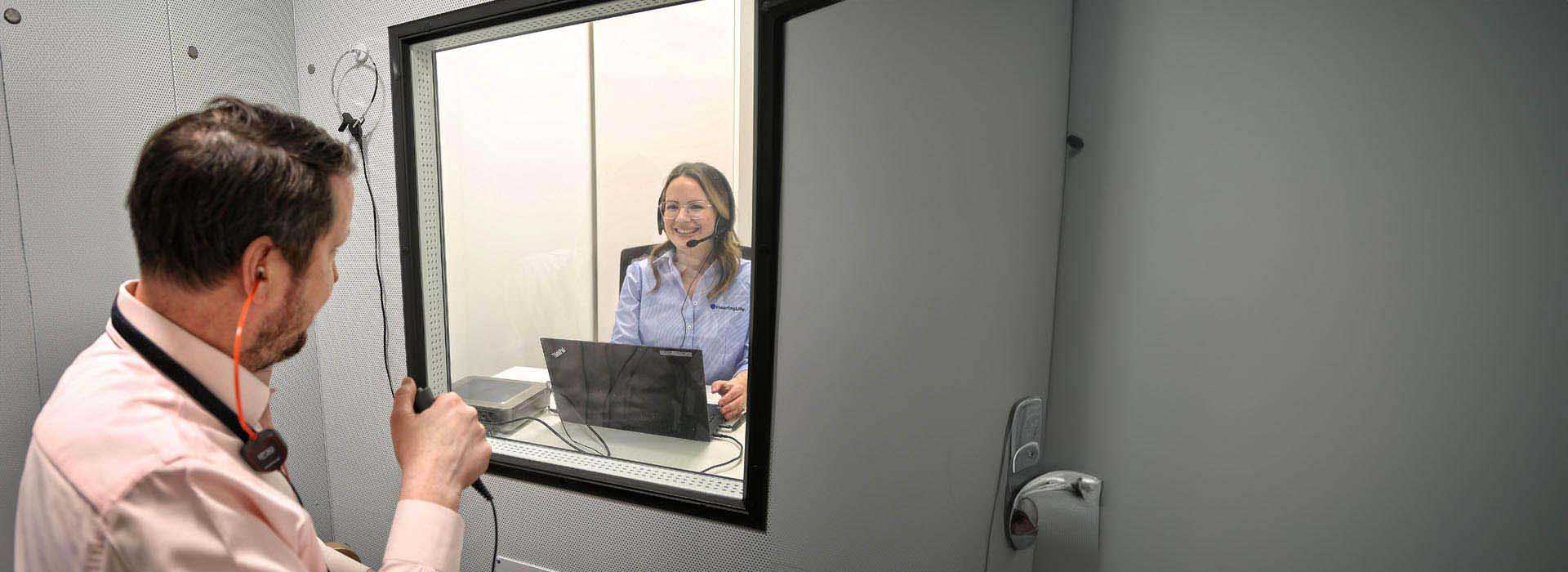
This is the most common hearing test. You wear headphones and listen to a series of beeps or tones at different pitches and volumes. You signal when you hear a sound.
This test helps identify the softest sounds you can hear and is used to measure the degree of hearing loss.
Speech tests check how well you hear and understand spoken words. You may be asked to repeat words played through headphones at different volumes. These tests help determine how hearing loss affects your ability to understand conversations.
This test evaluates the health of your middle ear and eardrum. A small device is placed in your ear to gently change air pressure. It can help detect fluid behind the eardrum, ear infections, or problems with the movement of the eardrum.
Otoacoustic Emissions (OAE) Testing measures how the inner ear responds to sound. A small probe placed in the ear sends sounds and records the ear's response. This test is often used for newborn hearing screenings and can help identify inner ear problems.
Auditory Brainstem, Response (ABR) Testing measures how the hearing nerve and brain respond to sound. Small sensors are placed on the head while sounds are played through earphones.
This test is often used for infants, young children, or people who cannot complete standard hearing tests.
The results of these tests help your hearing care professional understand whether you have hearing loss, identify its cause, and recommend the best treatment options. Together, these tests provide a complete picture of your hearing health and help ensure you receive the right care and support.
Depending on your needs, additional tests may be performed to learn more about your hearing health.
The results of your hearing test are shown on a chart called an audiogram. This chart helps the hearing care professional explain whether your hearing is normal or if you have mild, moderate, severe, or profound hearing loss.
Learn more: Understanding your audiogram
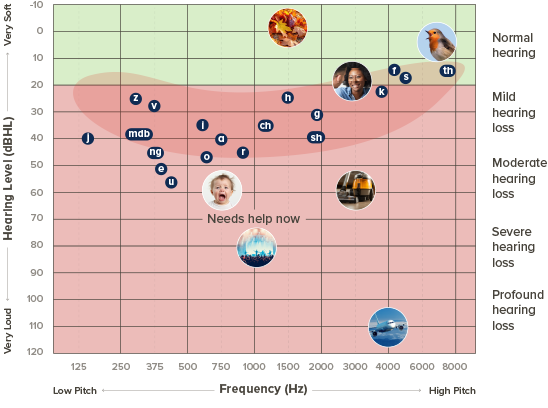
Most adults should have a hearing test at least once every few years, even if they do not notice any hearing problems. Having a baseline test helps track changes in hearing over time.
If you are 60 years of age or older, many hearing care professionals recommend getting your hearing checked every year.
Hearing loss often develops gradually, so regular testing can help detect changes before they start affecting conversations, work, or daily activities.
The signs of hearing loss may be slow to develop and difficult to identify, or they can also be sudden and obvious.
If you are aware of the general signs of hearing loss, then you will be in a better place to recognize problems.







HearingLife clients have access to our 360-AfterCare program, which provides ongoing support for the lifetime of your hearing aids.
Coverage and services may vary. See your Terms of Sale for full details.