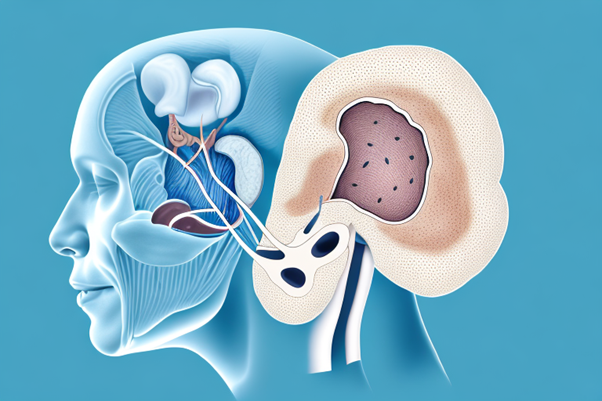
A burst eardrum, also known medically as a perforated or ruptured eardrum, is a condition where the eardrum has a hole or tear in it.
In some cases, a perforated eardrum may heal on its own. In more severe cases, medical intervention may be necessary to prevent further damage or infection.
In this article, I will provide an in-depth look at the symptoms, causes, diagnosis, and treatment options for a perforated eardrum.
I'll also provide tips on how to prevent future damage to your ears.
Signs and symptoms of a perforated eardrum
Symptoms of a ruptured eardrum can vary depending on the severity of the rupture. The most common symptoms include:
What causes a perforated eardrum?
There are several potential causes of a perforated eardrum, including
- Trauma to the ear (such as a blow to the head,)
- Exposure to loud noise
- Sudden changes in air pressure(such as during air travel,) and
- Ear infections.
The most common cause of a perforated eardrum is an ear infection. These infections can cause fluid buildup in the middle ear, which can put pressure on the eardrum and cause it to rupture.
In addition to the common symptoms, some people may also experience a fever or a feeling of pressure in the ear.
If you experience any of these symptoms, it is important to seek medical attention as soon as possible. If left untreated, a ruptured eardrum can lead to complications such as further infection, permanent hearing loss, and/or damage to the middle ear.
Burst eardrum treatment
The treatment options for a perforated eardrum will depend on the severity of the perforation.
If the perforation is small, your doctor may recommend medications, such as antibiotics or ear drops, to help prevent infection and promote healing.
If the perforation is larger or if it does not heal on its own, your doctor may recommend surgery.
One common surgical option is a tympanoplasty, which involves repairing the eardrum with a tissue graft.
Other surgical options may include a myringotomy, which involves making a small incision in the eardrum to drain fluids, or the placement of a pressure-equalizing tube in the eardrum to help prevent future fluid buildup.
Recovery from a burst eardrum: How long it takes to heal and what to expect
The recovery time for a perforated eardrum will depend on the severity of the perforation and the treatment method used.
If the perforation is small and heals on its own, it may take a few weeks for the eardrum to heal completely.
If surgery is required, the recovery time may be longer, and you may need to avoid certain activities, such as swimming or flying, for a period of time.
Your doctor will provide you with specific instructions on how to care for your ear during the recovery period, which may include using ear drops or avoiding water exposure.
Can you prevent a perforated eardrum?
To avoid a perforated eardrum, it is important to take steps to protect your ears. This includes
- Avoiding exposure to loud noises,
- Wearing protective earplugs or earmuffs in noisy environments, and
- Using caution when engaging in activities that can cause trauma to the ear, such as contact sports or using cotton swabs to clean your ears.
By taking these steps, you can help protect your ears and prevent damage to your hearing, including a burst eardrum.
Having a burst eardrum can be a painful and uncomfortable experience.
If you are concerned about your hearing, you can book a free hearing assessment with a hearing care professional near you.