




Our clients say 9.5/10   Based on 53,795+ reviews in Canada for 2025 
9.5/10  Based on 53,795+ reviews  

Ringing in the ears:Learn about your options

Smiling woman wearing a white shirt and blue scarf, representing professional hearing care services.

Ringing in the ears is a symptom of tinnitus

Tinnitus is a condition which is related to hearing loss, but it can have many causes, including exposure to loud noise, aging, ear infections, and injury. Ringing in the ears is a symptom of tinnitus, and it is a result of your brain trying to compensate for the loss of hair cells in your ear. Tinnitus can also be experienced as a hissing, roaring, or buzzing sound.

Tinnitus affects about 15% of the population. For some people, it can have a severe impact on their daily life, and it can cause anxiety, stress, anger, and sleep problems.

Our brief online tinnitus test can help you understand if you have tinnitus symptoms (such as ringing in the ears) and/or hearing loss. The two conditions are often experienced simultaneously.

A man wearing white headphones views a tablet displaying a hearing test question from HearingLife. The text on the screen reads: 'Do you find that people around you mumble or speak quietly?' He is seated on a beige couch in a well-lit room.

Online Tinnitus Test

People with this condition often experience hearing loss too. Our quick online test can help you test for tinnitus and understand what you can do about it if you have tinnitus/hearing loss.

Question 1 - Experiencing ringing or buzzing noises
Do you ever experience ringing or buzzing sounds in your ear(s) when no external sound is present?
Do you ever have trouble falling asleep or concentrating due to any ringing or buzzing sounds in your ear(s)?
Do you ever have trouble following conversations because you don’t hear properly?
Do you find yourself turning up the volume on the TV or radio louder than normal?

Your result:

Indications of tinnitus and hearing loss

Your answers indicate that you may experience symptoms of tinnitus and hearing loss. We recommend that you visit one of our clinics. There are hearing aids that can treat your hearing loss and might give you relief from your tinnitus.*

Book a FREE hearing test in a clinic near you

Book FREE hearing test

* The result of the test may only be used for guidance. Official conclusions about hearing loss/tinnitus can be provided by our certified hearing care experts.

Your result:

Indications of hearing loss

Your answers indicate that you may experience symptoms of hearing loss but no symptoms of tinnitus. We recommend that you visit one of our clinics to to see if you have a hearing loss that should be treated.*

Book a FREE hearing test in a clinic near you

Book FREE hearing test

Your result:

Symptoms of tinnitus indicated

Your answers indicate that you may experience symptoms of tinnitus. We recommend that you read about tinnitus treatment options to learn about how to cope with and find relief from tinnitus symptoms.*

* The result of the test may only be used for guidance. Official conclusions about hearing loss/tinnitus can be provided by our certified hearing care experts.

Your result:

No tinnitus or hearing loss indicated

Your answers indicate that you do not have tinnitus - or that you have non-bothersome tinnitus that is not currently affecting your everyday life. If you experience symptoms of tinnitus in the future, we recommend visiting your local health care provider.

* The result of the test may only be used for guidance. Official conclusions about hearing loss/tinnitus can be provided by our certified hearing care experts.

Step 1 of 6

What causes ringing in the ears?

There are several factors that can cause ringing in the ears. The most common cause is due to exposure to loud noises which damage the tiny hair cells in the inner ear. The ringing sound is the result of your brain trying to compensate for the loss of hair cells.

Common causes of ringing in the ears:

  1. Exposure to loud noise
  2. The natural aging process
  3. Infections in the middle ear
  4. Emotional distress
  5. Diabetes
  6. Negative reactions to medicine
  7. Head or neck injury
  8. Intolerance to noise (hyperacusis)
  9. Untreated medical conditions like Ménière’s disease and Otitis

Take online tinnitus test

Treatment for ringing in the ears

While there is no miracle cure for ringing in the ears, there are several ways that you can reduce the impact it has on your quality of life. Below you can learn about some techniques that can be effective in managing the sensations associated with ringing in the ears.


Discover strategies for managing tinnitus.

Hearing test icon featuring a person outline wearing headphones
1. Sound therapy
Sound therapy programs can reduce the contrast between quiet environments and ringing sounds in the ears
A minimalist blue outline of a hearing aid with a green accent represents HearingLife's focus on hearing care. The design features an earbud connected by a wire, symbolizing modern hearing solutions.
2. Hearing aids
Since they deliver more sound to your brain, you may notice tinnitus sounds less when wearing hearing aids
Person meditating in a cross-legged yoga pose with a blue outline.
3. Relaxation and mindfulness
Meditation and yoga have proven to be helpful in relieving the effects of ringing in the ears
Shield icon featuring a blue outline and a green ear, symbolizing hearing protection or care.
4. Hearing protection
Wearing protective hearing gear (such as ear plugs) can be an effective way to prevent noise damage from loud environments

Is Ringing in the Ears Dangerous?

While tinnitus itself is not usually dangerous, it can significantly impact quality of life, leading to sleep disturbances, difficulty concentrating, and emotional distress. However, in some cases, it may indicate an underlying health issue that requires medical attention. It's important to consult a healthcare professional if you experience persistent or bothersome tinnitus.


Get relief from ringing in the ears with sound therapy

Sound therapy is a form of tinnitus relief that allows you to listen to therapeutic sounds through your hearing aids in order to balance out the sounds associated with tinnitus.

Sound therapy can be a helpful way to manage tinnitus symptoms. While it cannot completely eliminate the sensations, it can mask the tinnitus so that it becomes much less noticeable. This masking process takes place when you begin to focus your attention on other noises besides those associated with tinnitus (such as ringing in the ears).

Two beige hearing aids positioned on a sandy beach with ocean waves in the background.

Using hearing aids to treat ringing in the ears

Hearing aids can be used to treat both hearing loss and ringing in the ears since they simultaneously help you hear better, while also masking tinnitus sounds by amplifying the sounds around you.

You are therefore able to hear more with less effort while also reducing the loudness of any ringing in the ears.

In addition to this benefit, many modern hearing aids also offer a sound therapy feature which allows you to play some therapeutic sounds (such as white noise) in the hearing aids which further mask the tinnitus.

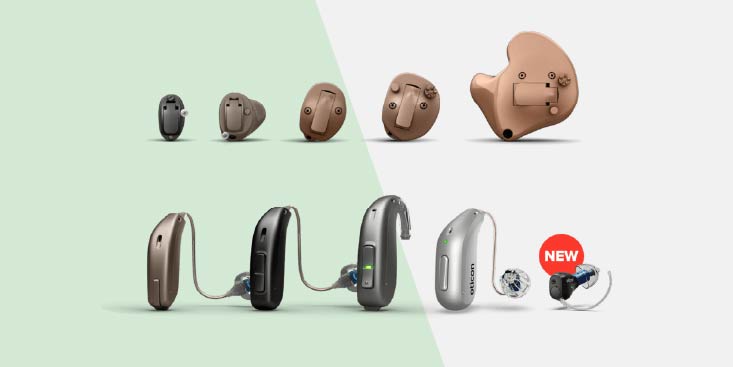
Hearing aid types

Hearing loss and ringing in ears

Many people who experience ringing in the ears also have hearing loss (even if they’re not aware of it). If you’re experiencing any signs or symptoms of tinnitus (such as ringing in the ears), then you may benefit from wearing hearing aids.

80% of those with tinnitus also have hearing loss

Because hearing aids send more sound to your brain, the symptoms of tinnitus may become less bothersome.

And since your hearing aids improve your ability to hear, it becomes easier to focus on other sounds around you, thereby taking the focus away from any tinnitus-related sounds (such as ringing in the ears).

Take online tinnitus test


Common challenges

Those who experience ringing in the ears may become sensitive to loud environments, such as a crowded restaurant or a bar with loud background music. They may even begin to avoid these environments all together.

If left untreated, ringing in the ears can lead to:

  • Concentration problems
  • Isolation
  • Sleep disorders
  • Anger and irritability
  • Increased sensitivity to loud environments

While some may find it easier than others to ignore tinnitus symptoms and sensations, tinnitus can also have a negative impact on quality of life when experienced over extended periods of time.

Can Ringing in the Ears Be Cured?

While tinnitus may not always be curable, many individuals find relief through various treatment options and management strategies. Seeking professional guidance and exploring different approaches can greatly improve symptoms and overall well-being.

If you are experiencing symptoms of ringing in the ears, take a proactive step and book a free consultation with a hearing care professional.

FAQ – Ringing in the ears

Sources:

1. Beck D.L. (2012) British Academy of Audiology. Podium presentation.

2. Al-Swiahb, J., & Park, S. N. (2016). Characterization of tinnitus in different age groups: A retrospective review. Noise & health, 18(83), 214–219. https://doi.org/10.4103/1463-1741.189240
*A comprehensive hearing assessment is provided to adults ages 19 and older at no cost. The results of this assessment will be communicated verbally to you. If you request a copy of the Audiological Report, an administrative fee will apply, excluding Saskatchewan residents. Child hearing tests are conducted at select locations for a fee, please contact us for more information. Offer not available in Quebec. Not applicable for industrial hearing tests. This promotion is valid for select premium or advanced hearing aid models and cannot be combined with any other discount. Applies to private sales of premium or advanced hearing aids and discount is applied after any Government funding has been deducted. Offer valid only at participating locations for new clients completing their first hearing test. Limit one $25 gift card per individual. Gift card will be sent by email in 7–14 days following appointment completion. We reserve the right to amend or cancel this offer at any time without notice. Some conditions apply, see clinic for details. Offer not valid in Quebec. Offer expires 31/01/2026. **90-Day Risk-Free Trial begins at the date of purchase. Trial period varies by province. If you are not completely satisfied, you can return it within 90 days for a full refund or exchange. ***If you are quoted a lower price on an comparable hearing aid with the same features, options and services, HearingLife Canada Ltd. will match that price. Conditions Apply. Ask our hearing care professionals for more details. 150,000 Doctor referrals based on the all-time number of referrals from general physicians, Ear, Nose & Throat specialists, and medical professionals as indicated by clients on our intake forms. With financing plan, deposit may be required. Borrower must be age of majority and have a Canadian bank account. Financing is available on select core-brand hearing aids and at select HearingLife locations.