








Key points
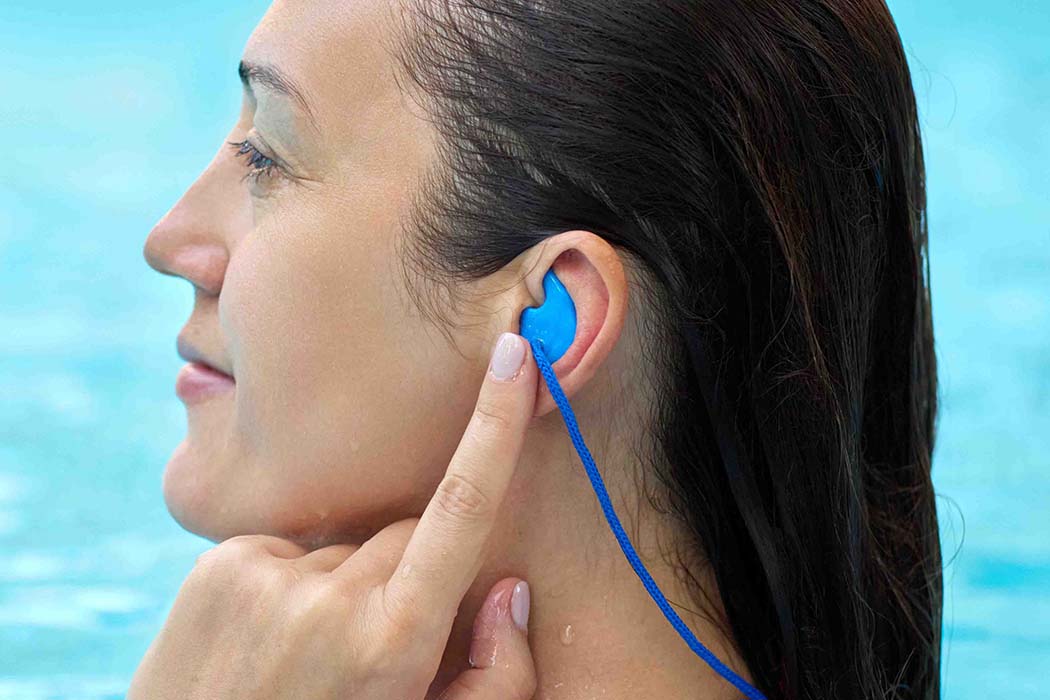
- Swim earplugs and/or a swim cap can help prevent water from getting in your ear while swimming
- Tilting your head, lying on your side or moving your jaw can help remove water from your ear
- If your ear continues to feel like there is water in it after 48 hours, contact a hearing care professional
It doesn't take much water to make your ear feel uncomfortable.
A little trapped moisture can leave your ear feeling plugged, make sounds seem muffled or create the frustrating sensation that water simply won't come out.
While water in the ear is common after swimming or showering, it can happen anytime water enters the ear canal.
It can also increase your risk of an outer ear infection known as swimmer's ear.1
Knowing how to get rid of water in your ear safely and what to avoid can help relieve discomfort and reduce the risk of complications.
Why does water get trapped in your ear?
Your ears are designed to let water drain naturally. Sometimes, water becomes trapped in the outer ear canal instead of flowing back out.
This can happen after swimming, showering or bathing, especially if water becomes caught behind earwax or in a narrow ear canal.
Although it may feel as though the water is deep inside your ear, that's rarely the case. Under normal circumstances, your eardrum prevents water from reaching the middle ear.2
Common causes of water in the ear include:
- Swimming
- Showering or bathing
- Water sports
- Naturally narrow or curved ear canals
- Excess earwax
- Moisture remaining in the ear after using earbuds or hearing aids
Many people notice water in the ear after swimming, particularly after spending extended periods in the pool or open water.
Why does water sometimes stay trapped?
Several factors can make it harder for water to drain naturally.
These include:
- Excess earwax blocking the ear canal
- Swelling or irritation of the ear canal
- Frequent swimming
- Wearing hearing aids or earbuds before the ear has dried completely
- Naturally narrow ear canals
If you've ever wondered why one ear seems more likely to trap water than the other, the shape of your ear canal may be the reason.
Signs you may have water trapped in your ear
While symptoms are usually temporary, they can be frustrating until the water drains.
Common water in ear symptoms include:
- A plugged or blocked feeling
- Muffled hearing
- A sensation of fullness or pressure
- Water sloshing or bubbling sounds
- Crackling noises when you move your head
- Mild discomfort
Fortunately, these symptoms usually improve once the trapped water drains.
Can trapped water affect your hearing?
Trapped water can temporarily affect your hearing.
When water becomes trapped in the outer ear canal, it can partially block sound from reaching your eardrum. This may cause muffled hearing or make voices and other sounds seem quieter than usual.
Temporary hearing changes caused by trapped water generally improve once the water drains.2
However, if your hearing doesn't return to normal after the water has cleared, it's worth having your ears examined.
Sometimes, what feels like trapped water in your ear is earwax buildup, or another hearing concern.
How to get water out of your ear safely
If water is stuck in your ear, resist the urge to reach for a cotton swab. Instead, try one of these safer methods.
Let gravity do the work
One of the simplest ways to remove trapped water is to tilt your head toward the affected ear.
While tilting your head:
- Gently pull on your earlobe.
- Shake your head slightly.
- Allow gravity to help the water drain naturally.
Often, that's all it takes.
You can also lie down with the affected ear facing the pillow for several minutes.
Move your jaw
Simple jaw movements can sometimes help trapped water to drain.
Try:
- Yawning
- Chewing gum
- Opening and closing your mouth
- Moving your jaw gently from side to side
These movements may change pressure around the ear canal and help release the trapped water.
Apply a warm compress
Holding a warm, damp washcloth against the affected ear for several minutes may help relax the surrounding muscles and encourage drainage.
Be sure the compress is warm, not hot, to avoid burning your skin.
Use a hair dryer carefully
If the water still won't drain, you may be able to use a hair dryer.
Use the lowest heat and airflow settings while holding the dryer several inches away from your ear.3
As you do this, gently pull on your earlobe to help straighten the ear canal.
Never use high heat or place the dryer directly against your ear.
If you continue to feel pressure deep inside your ear after the water has drained, congestion, an ear infection or fluid behind the eardrum may be responsible.
Common Mistakes to Avoid
When water doesn't come out your ear right away, it's tempting to try removing it yourself. Unfortunately, some common methods can do more harm than good.
Avoid inserting objects like:
- Cotton swabs
- Hairpins
- Keys
- Fingernails
- Ear candles
Objects inserted into the ear can push earwax deeper into the ear canal, scratch the delicate skin inside the ear or even damage the eardrum.3
If water is not coming out of your ear, it's usually better to be patient or seek medical advice than to try forcing it out.
Can ear drops help remove water from your ear?
If simple techniques like tilting your head or lying on your side don't work, ear drops may help get water out of your ear.
Over-the-counter drying ear drops are designed to help evaporate moisture trapped in the outer ear canal.
They can be particularly helpful for people who swim regularly or frequently experience water in the ear after swimming.1
These products typically contain ingredients that help dry the ear canal, making it easier for trapped water to drain.
However, ear drops aren't suitable for everyone.
Don't use ear drops if you:
- Have ear tubes
- Have a perforated (ruptured) eardrum
- Notice fluid or pus draining from your ear
- Have significant ear pain
- Think you may already have an ear infection
If you're unsure whether ear drops are appropriate, speak with your healthcare provider before using them.
Are home remedies safe?
You'll find plenty of home remedies online claiming to remove water stuck in your ear.
While some may be effective in certain situations, not all are appropriate for everyone.
For example, some people recommend homemade mixtures containing rubbing alcohol or vinegar.
Although these solutions are mentioned by some healthcare organizations for specific situations, they can irritate the ear canal or worsen an existing ear condition if used incorrectly.²
If you have ongoing symptoms, pain or concerns about your ears, it's safest to speak with a healthcare provider before trying home treatments.
How to prevent water from getting trapped in your ear
Although you can't always stop water from entering your ears, a few simple habits can help reduce the chances of it becoming trapped.
Dry your ears after swimming or showering
After getting out of the water, gently dry the outside of your ears with a clean towel.
Then, tilt your head to each side to help any remaining water drain naturally.1
Allow your ears to dry before using earbuds or hearing aids
If you wear hearing aids or earbuds, make sure your ears are dry before putting them in. This allows moisture to escape instead of becoming trapped in the ear canal.
Consider swimming earplugs
If you swim regularly or frequently experience water trapped in your ear, properly fitted swimming earplugs may help reduce the amount of water entering your ears.
Wear a swim cap
A swim cap won't completely keep water out of your ears, but it can help reduce water exposure during swimming.
Avoid using cotton swabs in your ear canal
Cotton swabs often push earwax deeper into the ear canal. This can make it harder for trapped water to drain and may increase your risk of irritation or injury.
When should you see a healthcare provider?
While water in the ear usually clears on its own, it's a good idea to seek medical advice if:
- Water remains trapped for more than 24 to 48 hours
- Ear pain becomes worse instead of better
- You notice redness or swelling
- Fluid or pus drains from your ear
- Your hearing doesn't return to normal
- You develop a fever
Sometimes what feels like trapped water is caused by earwax buildup, an ear infection or another ear condition.
A healthcare provider can examine your ear, identify the cause of your symptoms and recommend the most appropriate treatment.
References
- HealthLink BC. Swimmer's Ear (Otitis Externa)
https://www.healthlinkbc.ca/healthwise/swimmers-ear-otitis-externa - HealthLink BC. Ear Canal Problems (Swimmer's Ear)
https://www.healthlinkbc.ca/healthwise/ear-canal-problems-swimmers-ear - MyHealth Alberta. Swimmer's Ear: Care Instructions
https://myhealth.alberta.ca/health/AfterCareInformation/pages/conditions.aspx?hwid=te8205&