



Our clients say 9.5/10   Based on 54,002+ reviews in Canada for 2025 
9.5/10  Based on 54,002+ reviews  
Woman with conductive hearing loss holding her hand to her ear.

What is conductive hearing loss?

Conductive hearing loss occurs when sound cannot travel effectively through the outer or middle ear to reach the inner ear. This makes it harder to hear faint sounds, and louder sounds may seem muffled or unclear.

The outer and middle ear are responsible for collecting and amplifying sound before it reaches the inner ear. When something disrupts this process — like a blockage or structural issue — it affects how well sound is transmitted.

This type of hearing loss is often temporary and can sometimes be improved with medical attention, depending on the underlying cause

Hearing loss types

Cross-section of the human ear showing the outer, middle, and inner ear structures
A person wearing a light denim shirt uses blue and red-tipped earphones for a hearing test against a plain, muted beige background. The context suggests a professional hearing care setting. No text is visible.

Book a free test for conductive hearing loss

Schedule a free hearing test to find out if you have conductive or any other type of hearing loss. A hearing care professional will guide you and explain the result of your test.
Question 1 of 1
Have you had a hearing test in the last 12 months?

Step 1 of 6

What causes conductive hearing loss?

Conductive hearing loss is a type of hearing loss that is often easily identifiable. The following causes have been associated with this type of hearing loss:

  • Wax build-up
  • Fluid in the ear
  • Ear infections
  • Damage to the ear drum
  • Trauma
  • Diseases such as osteoporosis and otosclerosis

What is the difference between conductive and sensorineural hearing loss?

Hearing loss is divided into the following categories (based on which part of the ear is damaged): sensorineural, conductive, and mixed hearing loss.

Conductive hearing loss is usually the result of a disruption to the sound's path as it travels from the outer/middle ear to the inner ear, while sensorineural hearing loss occurs when the delicate nerve fibres of the inner ear become damaged.

Mixed hearing loss occurs when both sensorineural and conductive hearing loss occur in the same ear.

Sensorineural hearing loss

3 signs of conductive hearing loss

Conductive hearing loss is sometimes accompanied by pain or discomfort - or the feeling that "something is wrong" in the ear. Other common signs of conductive hearing loss may include:

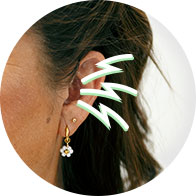
Senior woman touching her ear, indicating hearing difficulty or ear discomfort.
1. Speech and other sounds seem distant or muffled
Woman experiencing ear discomfort, represented by graphic sound waves near her ear.
2. Pain, pressure, or discharge in the ear
Woman touching her ear, appearing to experience ear discomfort.
3. A feeling of "fullness" in the ear
Senior couple consulting with an audiologist while examining hearing aids on display.

Treatment for conductive hearing loss

Time may be all that is needed to recover from less severe cases of conductive hearing loss. In other cases, conductive hearing loss can be treated medically in one of the following ways:

  • Antibiotics and anti-fungal medications can treat hearing loss caused by an ear infection
  • Surgery may be recommended to repair damages to the eardrum or middle ear, if present
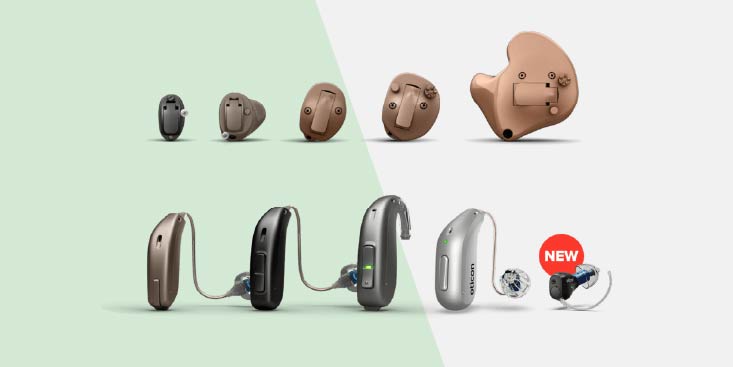
  • Hearing aids may also be an option if other forms of treatment have not been sufficient
  • Bone-anchored hearing systems

Book an appointment Hearing loss treatment

FAQs about conductive hearing loss

*A comprehensive hearing assessment is provided to adults ages 19 and older at no cost. The results of this assessment will be communicated verbally to you. If you request a copy of the Audiological Report, an administrative fee will apply, excluding Saskatchewan residents. Child hearing tests are conducted at select locations for a fee, please contact us for more information. Offer not available in Quebec. Not applicable for industrial hearing tests. This promotion is valid for select premium or advanced hearing aid models and cannot be combined with any other discount. Applies to private sales of premium or advanced hearing aids and discount is applied after any Government funding has been deducted. Offer valid only at participating locations for new clients completing their first hearing test. Limit one $25 gift card per individual. Gift card will be sent by email in 7–14 days following appointment completion. We reserve the right to amend or cancel this offer at any time without notice. Some conditions apply, see clinic for details. Offer not valid in Quebec. Offer expires 31/01/2026. **90-Day Risk-Free Trial begins at the date of purchase. Trial period varies by province. If you are not completely satisfied, you can return it within 90 days for a full refund or exchange. ***If you are quoted a lower price on an comparable hearing aid with the same features, options and services, HearingLife Canada Ltd. will match that price. Conditions Apply. Ask our hearing care professionals for more details. 150,000 Doctor referrals based on the all-time number of referrals from general physicians, Ear, Nose & Throat specialists, and medical professionals as indicated by clients on our intake forms. With financing plan, deposit may be required. Borrower must be age of majority and have a Canadian bank account. Financing is available on select core-brand hearing aids and at select HearingLife locations.