



Our clients say 9.5/10   Based on 54,656+ reviews in Canada for 2026 
9.5/10
 Based on 54,656+ reviews  
Little girl whispering to an older woman’s ear, symbolizing challenges with high-frequency hearing loss.
A stylized map graphic features a blue location pin centered on a folded map with green and white sections, representing navigation or finding a location, such as a hearing clinic.
350+ hearing centres
find a clinic
Doctor icon with stethoscope in blue and green outline.
Trusted by physicians
over 150,000 doctor referrals
group of people icon with blue and green accents
1 million+
clients
Hearing test icon featuring a person outline wearing headphones
FREE
hearing tests

What is high-frequency hearing loss?

High-frequency hearing loss refers to having difficulty hearing high-pitched sounds. A notable consequence of this is that consonants become difficult to hear, meaning that others may sound like they are mumbling.

High-frequency hearing loss is often caused by age-related hearing loss and noise-induced hearing loss.

Section of the ear anatomy highlighting the area affected by high-frequency hearing loss
Woman wearing headphones and holding a response button during a hearing test.

Book a free test for high-frequency hearing loss

Schedule a free hearing test to find out if you have high-frequency or another type of hearing loss. We can suggest treatment options and help you understand your condition better.
Are you older than 55?

Step 1 of 6

What causes high-frequency hearing loss?

High-frequency hearing loss can be caused by a wide range of health and lifestyle factors. Causes of high-frequency hearing loss include:

  • Aging
  • Genetics
  • Exposure to certain drugs
  • Syndromes
  • Diseases
  • Noise exposure
Low-frequency hearing loss

Preventing high-frequency hearing loss

While there are many health and lifestyle factors that can contribute to your risk for developing high-frequency hearing loss, there are steps that you can take to prevent it.

Using ear plugs (or other hearing protection) in excessively loud environments is a great way to protect your ears from damaging sound levels.

Untreated hearing loss

Signs and symptoms of high-frequency hearing loss

Struggling to follow conversations and understand what others say are two common signs of high-frequency hearing loss. Other signs include:

People chatting outdoors in a social setting
Difficulty following conversations
You have difficulty following group conversations (especially when background noise is present)
Man wearing earphones and looking at his smartphone in a brightly lit indoor setting.
Phone conversations are unclear
You have trouble following phone conversations in quiet and noisy places
Elderly woman touching her ear, possibly indicating hearing difficulties.
People seem to be mumbling
You often ask people to repeat themselves. Sounds seem unclear, or people sound like they are mumbling
Woman with gray hair and hearing aid focusing on sound.
Difficulty locating sounds
You have difficulty locating where sounds are coming from
Woman experiencing ear pain with illustrated lightning bolts near her ear.
Signs of tinnitus
You experience ringing or buzzing sounds in your ears (called tinnitus)
Elderly couple sitting together on a couch while watching television.
Turning up the TV too loud
Your friends or family say you turn the television up too loud
An older man sits with an audiologist in a hearing clinic. The audiologist holds a device, discussing hearing aids on the desk. A monitor displays hearing test results; plants decorate the scene.

Treatment for high-frequency hearing loss

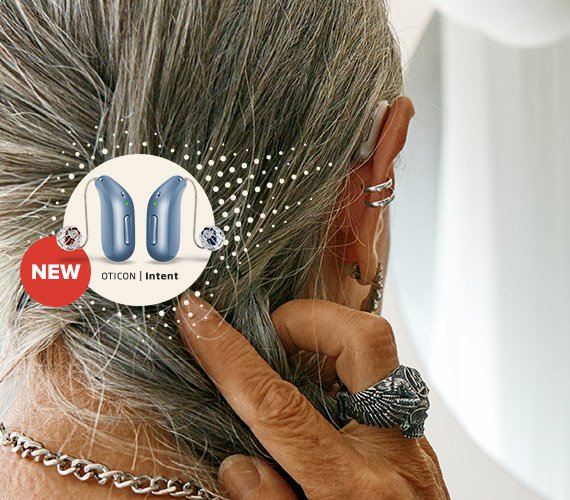
Our hearing care professionals often recommend hearing aids as an effective treatment method for high-frequency hearing loss. More specifically, the hearing aids can be programmed to focus on amplifying higher frequency sounds, thereby allowing the hearing aid user to hear these sounds again.

Our hearing care professionals will be able to provide the best guidance on which type of hearing aid is best for your individual needs.

Book a FREE appointment Hearing loss treatment