Our clients say 9.5/10   Based on 54,588+ reviews in Canada for 2026 
9.5/10
 Based on 54,588+ reviews  

What is congenital hearing loss?

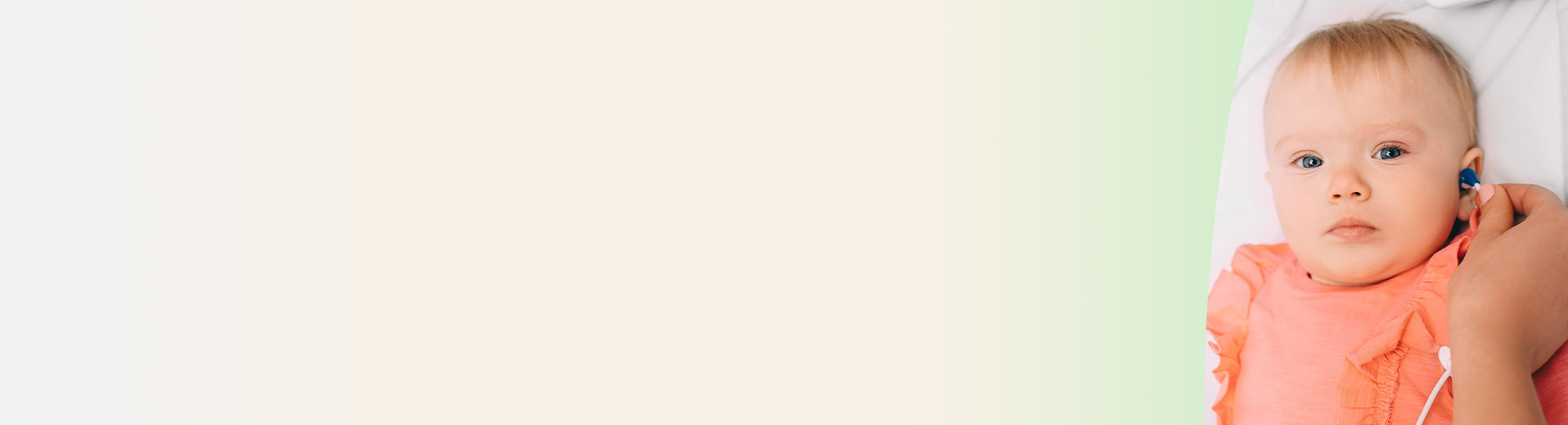
Baby getting her hearing tested

Congenital hearing loss means a person is born with hearing loss. It can be inherited from family (genetic) or caused by factors during pregnancy or birth.

Today, most newborns are screened for hearing loss. However, if the hearing loss is mild, affects only one ear, or develops gradually, it may not be detected right away. As a result, some children and adults may have lived with hearing loss for years without knowing it.

Learn more about other types of hearing loss

A baby's ear

Congenital hearing loss types and causes

There are two types of congenital hearing loss: hereditary and non-hereditary. It can sometimes be challenging to identify which one is the cause. It is believed that genetic issues are responsible for more than half of congenital hearing loss cases.

Below are the most common causes of hereditary and non-hereditary congenital hearing loss.

Hereditary congenital hearing loss

People with this type of hearing loss inherited it from their parents. In fact, many forms of congenital hearing loss are genetic. This transmission causes a loss of functionality in the hearing organs, and symptoms can present themselves at birth or even develop later in life.

Most common causes of hereditary hearing loss:

  • Down syndrome
  • Usher syndrome
  • Treacher Collins syndrome
  • Crouzon syndrome
  • Alport syndrome
  • Waardenburg syndrome
Happy child sitting on father's shoulders

Non-hereditary congenital hearing loss

In general, 4 out of 5 babies (80%) with hearing loss have a genetic cause for their hearing loss, while the rest will have non-genetic cause or a combination of factors. 1

Most common causes of non-hereditary congenital hearing loss:

  • Maternal infections such as rubella/measles, cytomegalovirus, or herpes simplex virus
  • Prematurity
  • Low birth weight
  • Birth injuries
  • Toxins consumed by the mother during pregnancy including drugs and alcohol
  • Complications associated with the Rhesus factor in the blood, which causes jaundice
  • Maternal diabetes
Baby napping on mom's shoulder

Can congenital hearing loss be cured?

Typical treatments for congenital hearing loss include:

- Hearing aids
- Cochlear implants
- Auditory brainstem implants

Can congenital hearing loss be cured?

While there is no cure for congenital hearing loss, early detection and treatment canĀ  prevent speech and other developmental delays. Treatments such as hearing aids are helping children and adults live happy, healthy lives.

Learn more about hearing loss treatment

Boy being fitted with hearing aid

Congenital hearing loss treatment for children

At HearingLife, our hearing care professionals do not provide hearing care services for children. If a child is suspected of having congenital hearing loss, they must be evaluated by a healthcare provider specialising in pediatric audiology.

If hearing aids are determined to be the most appropriate form of support, they can be fitted from a very young age. Treatment decisions should be made in close consultation with the medical doctor, taking into account factors such as the child’s age, personality, developmental stage, degree of hearing loss, as well as the preferences and budget of the parents. In many cases, a behind-the-ear (BTE) hearing aid is recommended, as it can be more easily fitted and adjusted as the child grows.

Early detection matters

Recognising hearing loss in infants and young children can be challenging. However, identifying and managing congenital hearing loss early is crucial for a child’s language development, learning, and social well-being.

Ideally, treatment should begin before the child reaches 6 months of age. Even if congenital hearing loss is not diagnosed until adulthood, seeking treatment remains important for overall communication and quality of life.

If hearing loss is suspected, it is essential to have the child evaluated by a healthcare provider who specialises in pediatric audiology.

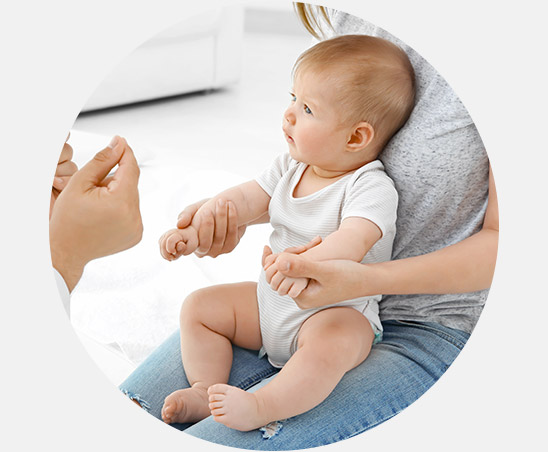
baby sitting in mom's lap and looking at hearing professional

Sources

1. Centers for Disease Control and Prevention. (2024). A parent's guide to genetics and hearing loss. U.S. Department of Health and Human Services.

2. World Health Organization. (2016). Childhood hearing loss: Strategies for prevention and care. World Health Organization.

*A comprehensive hearing assessment is provided to adults ages 19 and older at no cost. The results of this assessment will be communicated verbally to you. If you request a copy of the Audiological Report, an administrative fee will apply, excluding Saskatchewan residents. Child hearing tests are conducted at select locations for a fee, please contact us for more information. Offer not available in Quebec. Not applicable for industrial hearing tests. The hearing discount promotion is valid for select premium or advanced hearing aid models and cannot be combined with any other discount. Applies to private sales of premium or advanced hearing aids and discount is applied after any Government funding has been deducted. Discount offer expires 31/01/2026. $25 Coffee Gift Card offer is valid only at participating locations for new clients completing their first hearing test. Limit one $25 gift card per individual. Coffee Gift card will be sent by email in 7–14 days following appointment completion. Offer expires 28/02/2026. We reserve the right to amend or cancel this offer at any time without notice. Some conditions apply, see clinic for details. Offer not valid in Quebec. **90-Day money-back guarantee begins at the date of purchase. If you are not completely satisfied, you can return it within 90 days for a full refund or exchange. ***If you are quoted a lower price on an comparable hearing aid with the same features, options and services, HearingLife Canada Ltd. will match that price. Conditions Apply. Ask our hearing care professionals for more details. 150,000 Doctor referrals based on the all-time number of referrals from general physicians, Ear, Nose & Throat specialists, and medical professionals as indicated by clients on our intake forms. With financing plan, deposit may be required. Borrower must be age of majority and have a Canadian bank account. Financing is available on select core-brand hearing aids and at select HearingLife locations.