









1. Take small breaks from noisy environments
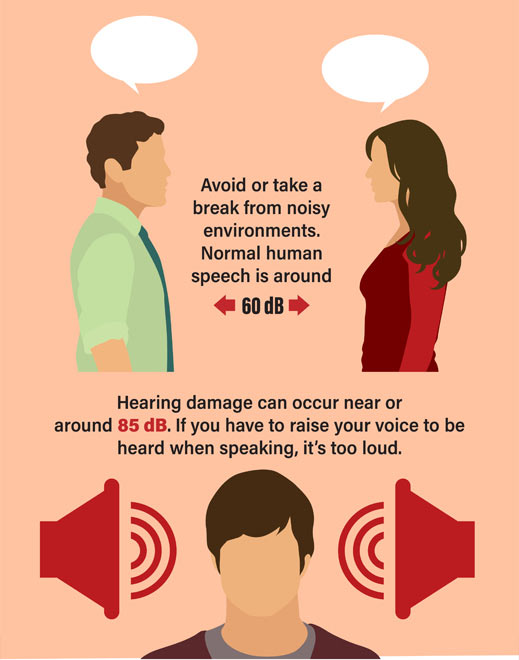
A quick inventory of a typical day in the city will likely reveal a soundscape that passes unnoticed by most: The loud wake-up alarm right next to your ear, the hair dryer, the blender to make a breakfast smoothie (all in the 90 decibel range) — and that’s before leaving home. Then it’s on to commuter traffic and the subway (90 to 100 decibels), the workplace (can range from the 70s to 100 decibels), then an evening at a restaurant or bar (from 80 to 100 decibels). End the day with a concert or arena sports event and you’re awash in sound in the 120-decibel range, equivalent to a jet engine, for hours. Take small breaks from noisy environments to rejuvenate your hearing.
2. Indulge in Puzzles, Games and Yoga
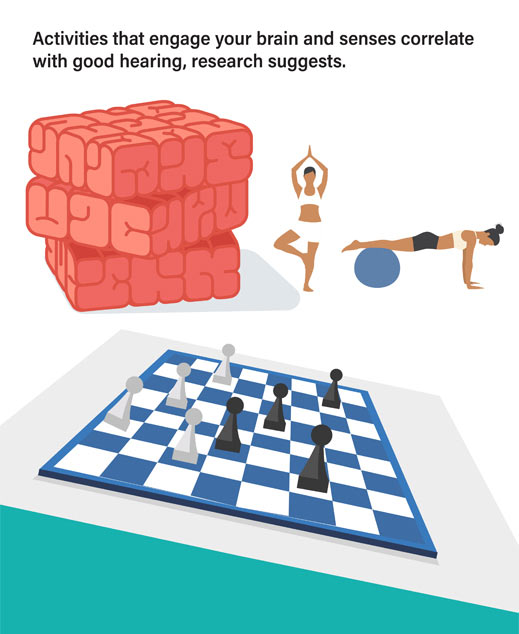
Your ears receive sounds, but your brain processes all the wonderful, (and maybe not so wonderful,) sounds that you hear. So, keeping your brain healthy can help to keep your hearing healthy too. Puzzles like Sudoku, crosswords, and word searches help to maintain healthy brain tissue and the neural connections necessary for processing sensory information. Yoga is a recommended exercise to improve your hearing; it combines the relaxation of meditation with the health benefits of a good workout!
3. Lead an active life
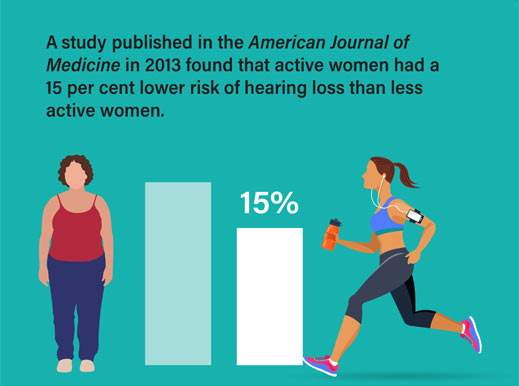
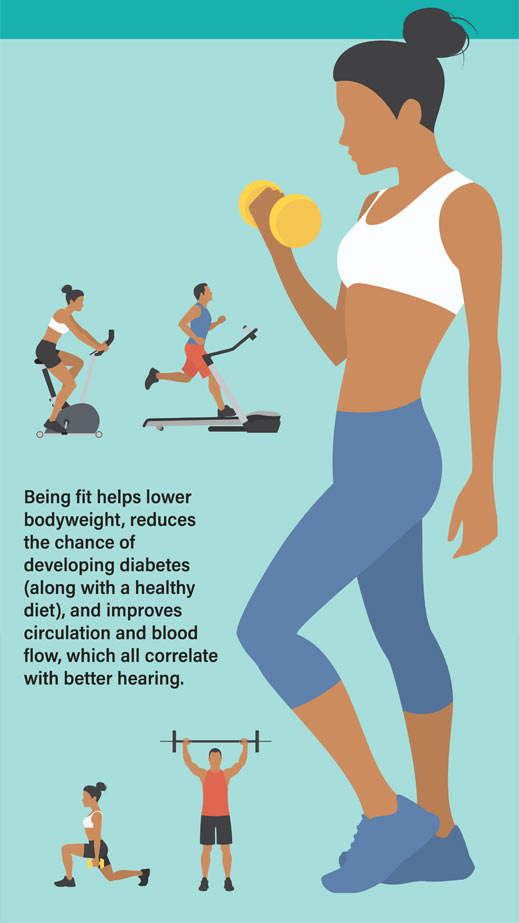
Daily physical exercise can increase blood circulation in your ears and brain, which helps to improve nerve functions and remove wastes and toxins from your body. Note: If you are exercising while listening to music through headphones, be sure not to turn the music up too loud as this can damage your hearing overtime.
4. Get noise cancelling earphones
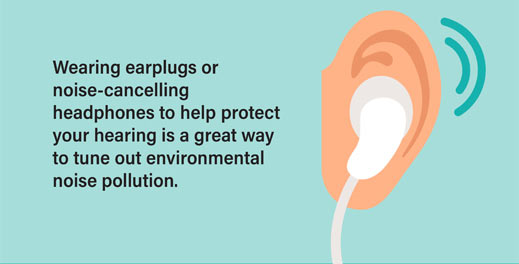
Noise cancelling headphones are popular and are great during plane rides. These headphones block out environmental sounds, allowing you to hear a clear audio, thus reducing your temptation to turn the volume up. Alternatively, you can use regular cushioned headphones. When going to concerts or other places where music is played very loudly, carry some ear plugs with you.
5. Treat yourself to foods which can enhance your hearing

Potassium regulates the fluid in your inner ear, which is important because, as we age, our inner ear fluid levels tend to drop which can contribute to hearing loss or presbycusis. Bananas are the perfect potassium-rich, on-the-go snack with 12% of your daily potassium value. Avocado presents even more health benefits that your ears will love. One whole avocado will give you 30% of your daily potassium, 22% of your daily folate and 15% of your daily magnesium! Three ounces of salmon will give you 42% of your daily recommended omega-3s. Omega 3s could help reduce the risk of age-related hearing loss by over 40%. Omega 3s can also help brain function, sending signals between your brain and ears more effectively. Spinach is a powerhouse for hearing health. One cup of spinach has 65% of your daily folate value, 24% of your daily potassium value, 40% of your daily magnesium value and is also a good source of Zinc.
All these tips can help you alleviate the risk of hearing loss.
If you think you or your loved one is suffering from hearing loss you can take a FREE hearing test at one of 220 HearingLife locations across Canada. To book a FREE appointment click here